
A collective celebration of research with Professor Nadine Attewell (Gender, Sexuality, and Women’s Studies & Global Asia, Simon Fraser University), Professor Zeynep Devrim Gürsel (Anthropology, Rutgers University-New Brunswick), and Professor Julie Stephens (History, Rutgers University-New Brunswick) on Wednesday, September 30, 2026.
A reception will follow the event.
Participants
Nadine Attewell, Simon Frasesr University
Nadine Attewell
Simon Fraser University
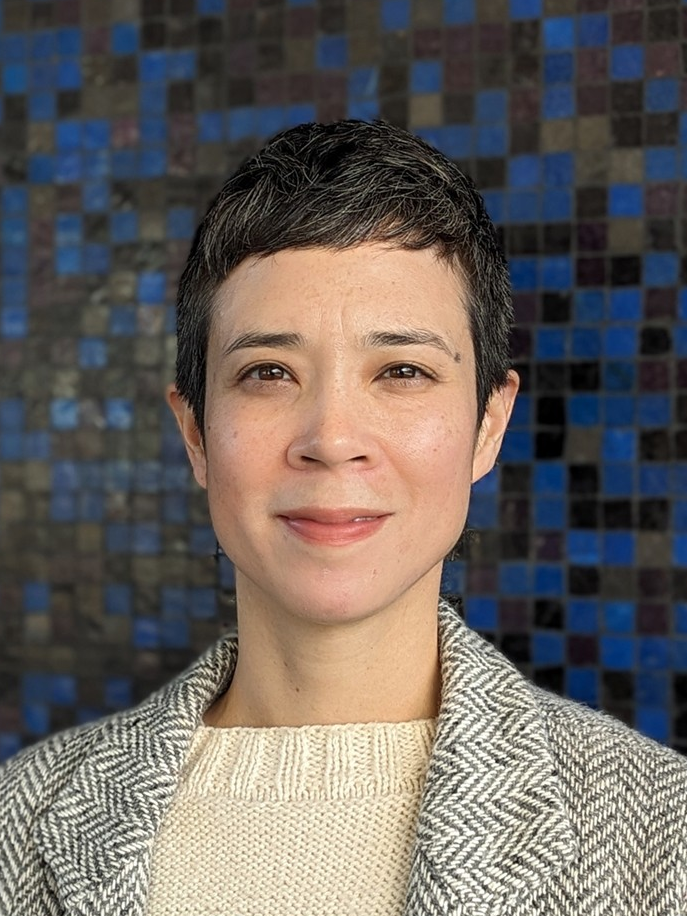
Between 2000 and 2020, I studied and worked in English departments across the United States and Canada, including Cornell University, Macalester College, the University of Nevada at Reno, and McMaster University. In 2021, I returned to the Lower Mainland, where I was born and grew up (on xʷməθkʷəy̓əm land/in Richmond), to teach at SFU in the Department of Gender, Sexuality, and Women’s Studies as well as the Global Asia Program.
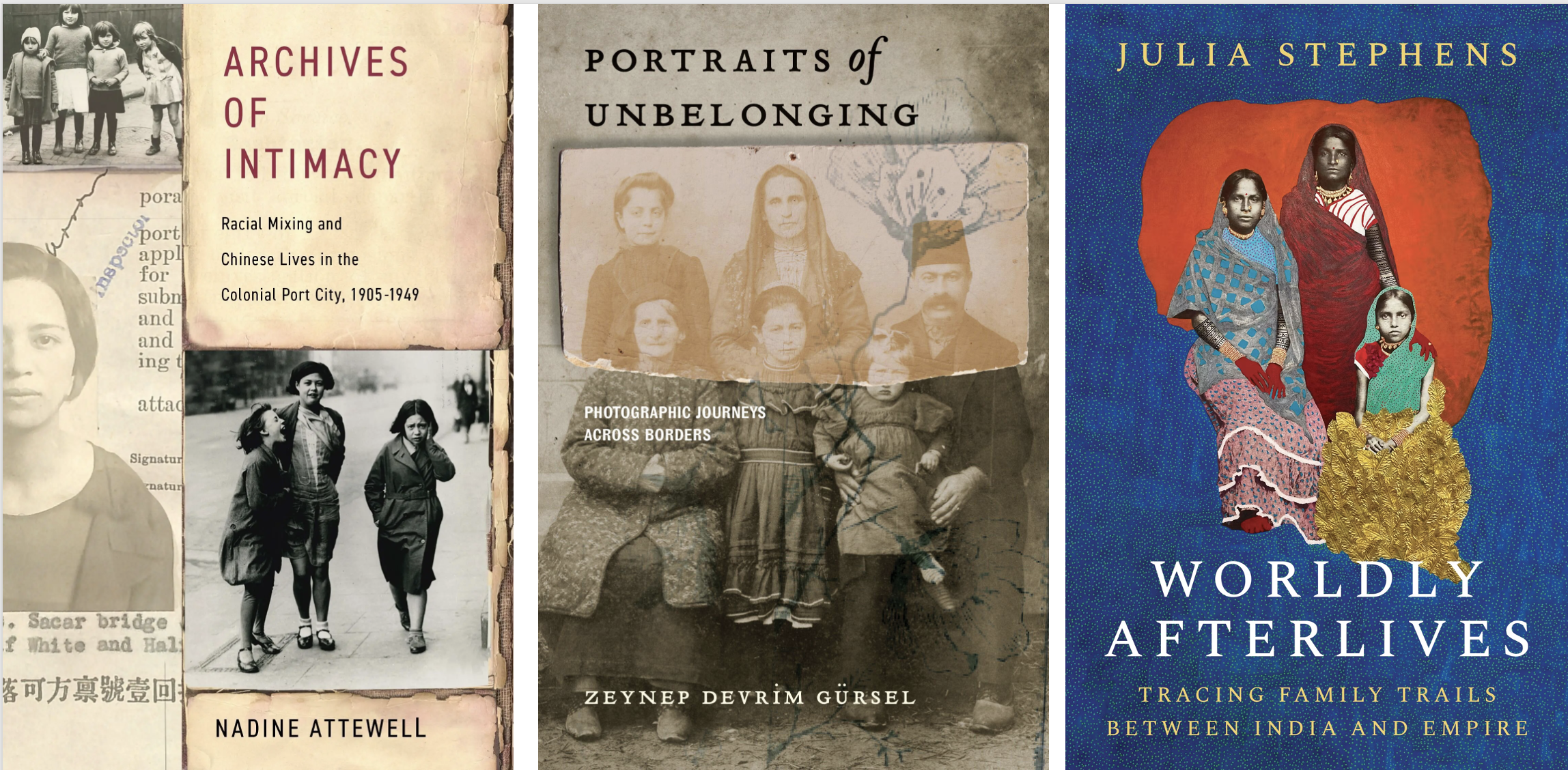
As a scholar of empire, reproductive labour, and Asian and Asian diasporic life, my work is feminist, queer, anticolonial, and antiracist in methodology and orientation, and informed by my positioning as a second-generation settler of Chinese descent. My SSHRC-funded first book, Better Britons: Reproduction, National Identity, and the Afterlife of Empire, investigates the centrality of reproduction to postimperial projects of governance and nation-building through readings of twentieth-century literature and policy from Australia, Britain, and New Zealand, and was published by the University of Toronto Press in 2014. Focusing on Chinese practices of interracial intimacy and multiracial community under British colonial rule, my SSHRC-funded second book, entitled Archives of Intimacy: Racial Mixing and Asian Lives in the Colonial Port City, 1905-1949, will appear with Stanford University Press in July 2026. Here, I delve into the heterogeneous social worlds that flourished in port cities like Hong Kong, London, and Liverpool during the first half of the twentieth century, developing vivid accounts of port city life pieced together from a range of archival materials, including photography, community and family histories, and wartime intelligence reports, that testify to the reach and limits of empire as a structure of meaning. As Archives of Intimacy heads to press, I have begun work on a new book project that explores twentieth-century histories of dance as a practice of Chinese diasporic meaning-making for, against, and beyond (post)colonial, revolutionary socialist, anti-migrant, and anti-leftist projects of transformation and governance.
In my scholarship and teaching, I engage with a diverse array of texts and methods. Recently, however, I have been especially drawn to photographs as entry points of enquiry. Thus, for example, I’m working on a collaborative book project with my geographer sibling Wesley Attewell. Entitled Cold War Relations, the book turns to the vernacular photographic archives of American Vietnam War workers to explore Asian women’s wartime domestic, clerical, entertainment, and sex work across decolonizing southeast Asia. Between 2016 - 2019, I participated in the SSHRC-funded Family Camera Network; and currently serve on the editorial boards of Asian Diasporic Visual Cultures and the Americas and Trans Asia Photography.
Zeynep Devrim Gürsel, Rutgers University
Zeynep Devrim Gürsel
Rutgers University
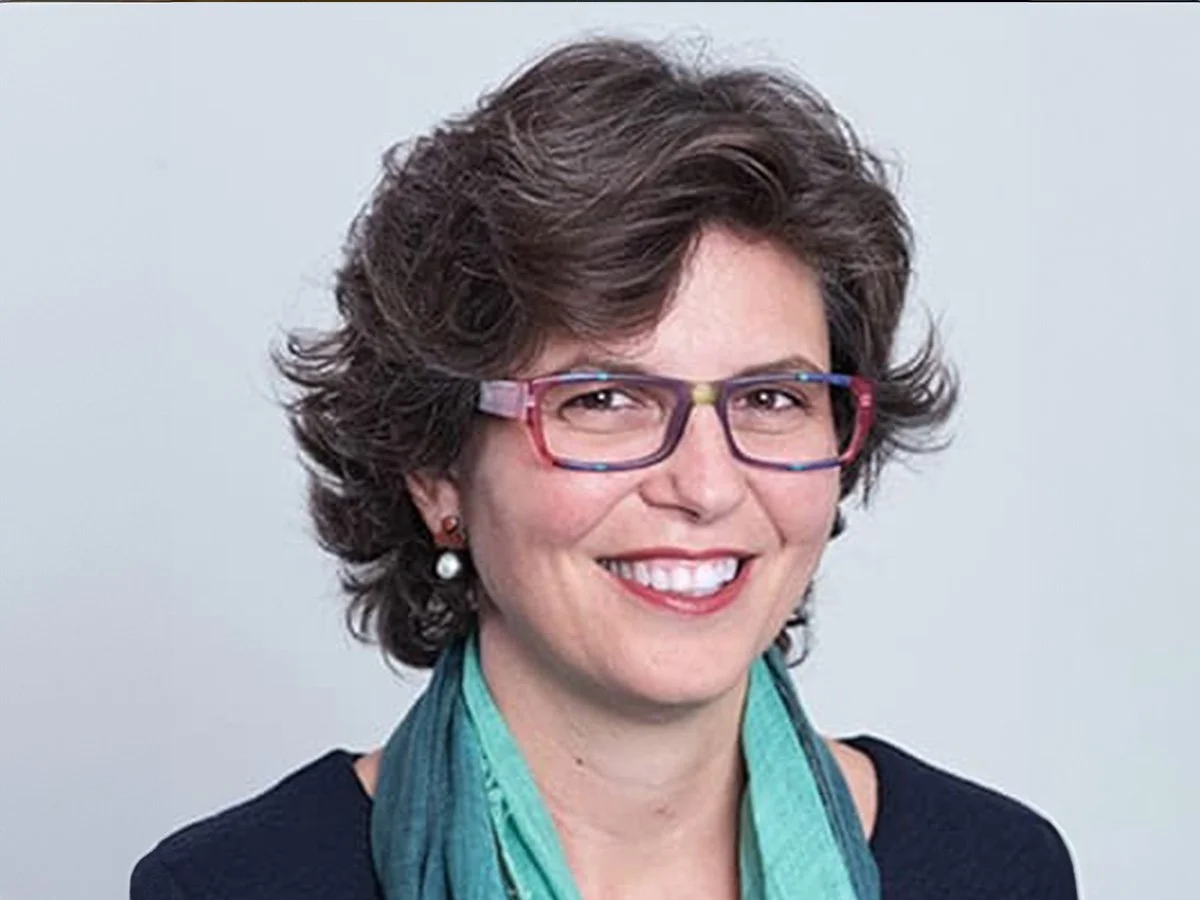
Zeynep Devrim Gürsel is a media anthropologist whose scholarship involves both the analysis and production of images. She is the author of Image Brokers: Visualizing World News in the Age of Digital Circulation (University of California Press, 2016), an ethnography of the international photojournalism industry during its digitalization at the beginning of the 21st century, based on fieldwork conducted in the United States, France and Turkey. Set against the backdrop of the War on Terror and based on several years of fieldwork conducted at photojournalism’s centers of power, Image Brokers offers an intimate look at newsrooms covering the American wars in Iraq and Afghanistan among other global news. At the turn of the 21st century, image brokers—the people who manage the distribution and restriction of news images—found the core technologies of their craft, the status of images, and their own professional standing all changing rapidly with the digitalization of the infrastructures of representation. From corporate sales meetings to wire service desks, newsrooms to photography workshops and festivals, Image Brokers investigates how news images are produced and how worldviews are reproduced in the process.
Gürsel is also the director of Coffee Futures, an award-winning ethnographic film that explores contemporary Turkish politics through the prism of the everyday practice of coffee fortune telling. (www.coffeefuturesfilm.com)
Since 2009 she has been researching photography as a tool of governmentality in the late Ottoman period. Specifically she is investigating photography during the reign of Sultan Abdülhamid (1876-1909) from medical imagery to prison portraiture to understand emerging forms of the state and the changing contours of Ottoman subjecthood. During 2018-2019 she was a NOMIS Fellow at eikones Center for the Theory and History of the Image in Basel, Switzerland. Her current project, Portraits of Unbelonging, is the first in-depth exploration of the official role of photography in the history of Armenian emigration to the United States.
She has published in Cultural Anthropology, American Ethnologist,Visual Anthropology, Grey Room, Anthropology Nowand Jadaliyya and has contributed chapters to volumes on global news and journalism, contemporary public spheres, photography and memory, and visual cultures of nongovernmental activism.
Julia Stephens, Rutgers University
Julia Stephens
Rutgers University
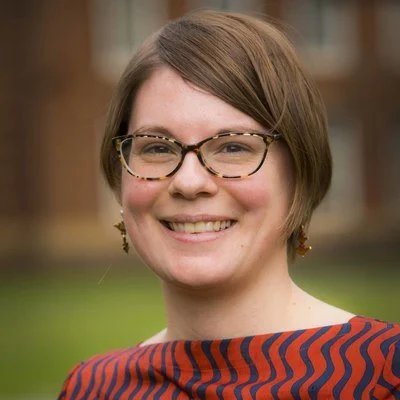
My research focuses on colonial and post-colonial South Asia and its global diasporas. My most recent book, Worldly Afterlives: Tracing Diasporic Trails Between India and Empire (Princeton University Press, December 2025), follows families as they travelled across the Indian Ocean and British Empire to explore the haunted afterlives of colonial migrations. In the rustle of archival documents and the dust of family photo albums, the book encounters histories of empire that live on through the experiences of descendants and the ghosts of their ancestors. Spanning Asia, Africa, the Gulf, Europe, and the Americas, Worldly Afterlives challenges ethno-nationalist and patriarchal approaches to studying Asian diasporas to center histories of women, subaltern migrants, and people of mixed heritage. Instead of one-way journeys from Asia to the Global North, these families migrated repeatedly, often between destinations in Asia and Africa. My historical methods draw inspiration from visual artists, albums, cemeteries, and curio cabinets. Chapters on online ancestry and social media argue for new approaches to studying public history in the Global South that trace diasporic pasts through fluid digital mediascapes.
My first book, entitled Governing Islam: Law, Empire, and Secularism in South Asia, was published by Cambridge University Press in 2018. The book moves between official archives of colonial law and wider spheres of public debates, bringing into conversation vernacular pamphlets and newspapers, Urdu fatwas, colonial legal cases, and legislative deliberations. Drawing on these wide-ranging legal archives, Governing Islam explores how colonial law constructed a new religious/secular binary that was deeply influential and vibrantly contested inside and outside colonial courts.
My teaching spans modern South Asia, its global diasporas, law, women and gender history, migration, Islam, family, digital, and public history. One of my favorite pastimes is talking about archives with students. Before coming to Rutgers, I taught at Yale, Cambridge, and Harvard.